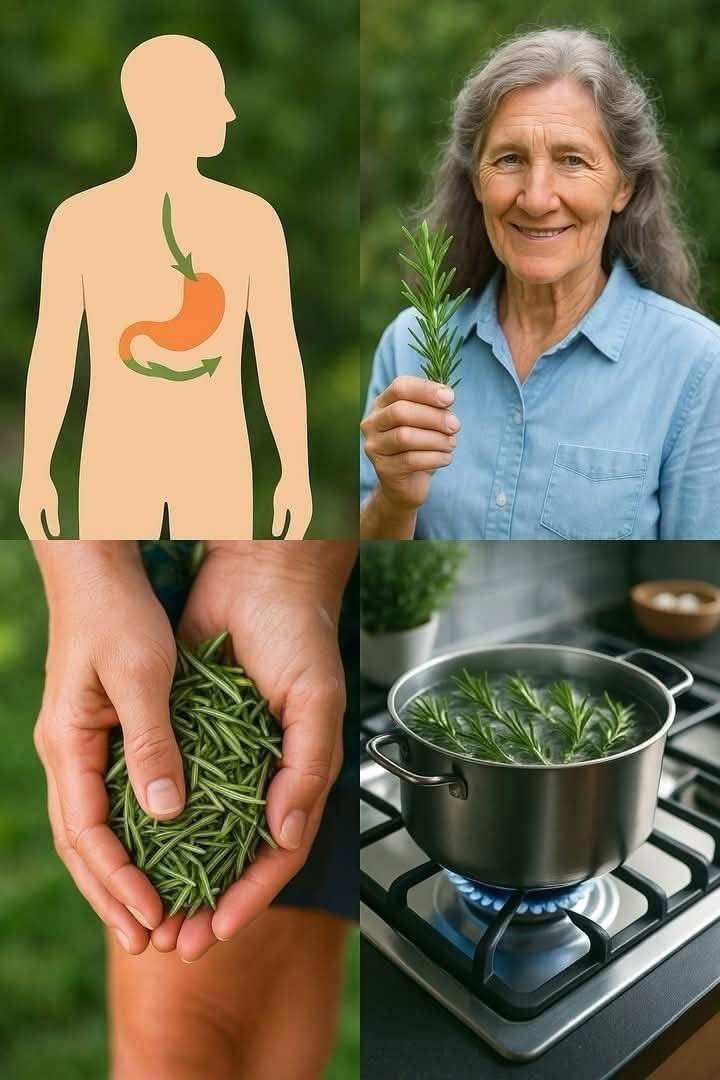
Ah! You mean the herb rosemary itself, not just recipes that use it. Let’s go into detail:
Rosemary (Rosmarinus officinalis)
Description
- Type: Woody, perennial herb
- Origin: Mediterranean region
- Appearance: Needle-like, dark green leaves; woody stems; small blue, pink, purple, or white flowers
- Aroma & Flavor: Pine-like, slightly peppery, with a hint of lemon and mint
Culinary Uses
Rosemary is a strong, fragrant herb that pairs well with:
- Meats: Lamb, chicken, pork, beef
- Vegetables: Potatoes, carrots, squash
- Breads & Baked Goods: Focaccia, biscuits
- Oils & Marinades: Infused olive oil, herb butter
Tip: Use fresh rosemary sparingly; it’s very aromatic. Dried rosemary is more concentrated, so use about 1/3 the amount of fresh.
Medicinal & Health Uses
- Traditionally used to aid digestion
- Contains antioxidants and anti-inflammatory compounds
- Sometimes used in teas or essential oils for mental clarity and focus
Growing Rosemary
- Prefers full sun and well-drained soil
- Can be grown indoors in pots if given enough light
- Drought-tolerant once established
- Prune regularly to encourage new growth
Storage
- Fresh rosemary: Wrap in damp paper towel and refrigerate; lasts ~2 weeks
- Dried rosemary: Store in airtight container in a cool, dark place; lasts up to a year
If you want, I can also give you a few creative ways to use rosemary in cooking, drinks, and even skincare—it’s surprisingly versatile beyond just savory dishes.
Do you want me to do that?
