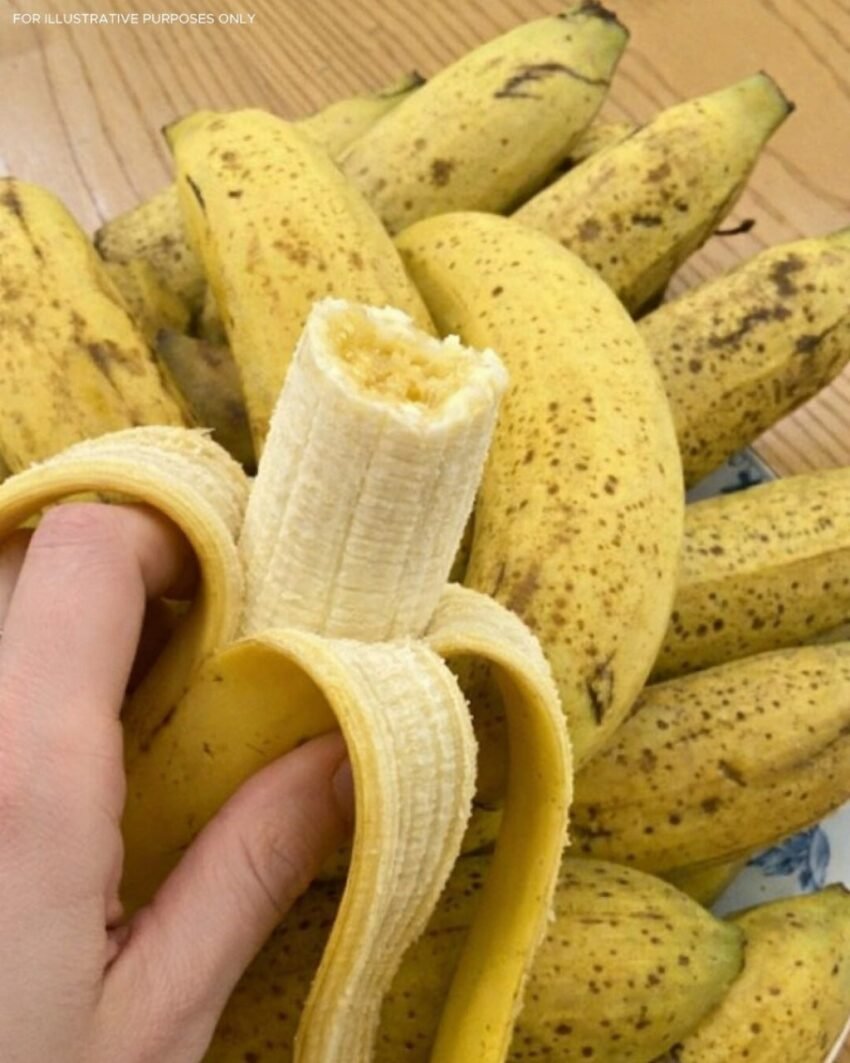
Here’s a detailed overview of the Cavendish banana, one of the most common banana varieties worldwide.
🍌 Cavendish Banana
Overview
- Type: Dessert banana
- Origin: Named after William Cavendish, the 6th Duke of Devonshire; widely cultivated after the Gros Michel variety declined due to Panama disease
- Size & Appearance: Medium to large, slightly curved, bright yellow when ripe with small brown speckles; smooth skin
- Flavor & Texture: Sweet, creamy, and soft when fully ripe
- Common Uses:
- Fresh eating
- Smoothies and shakes
- Baking (banana bread, muffins, cakes)
- Sliced for cereal or yogurt toppings
- Freezing for smoothies or ice cream
Nutritional Highlights (per 100g)
- Calories: ~89 kcal
- Carbohydrates: 23 g
- Fiber: 2.6 g
- Sugars: 12 g
- Protein: 1.1 g
- Vitamins & Minerals: High in vitamin C, vitamin B6, potassium, and magnesium
Tips & Notes
- Store at room temperature until ripe; refrigerate only when fully yellow to slow over-ripening (skin may darken but fruit stays good).
- Freeze overripe bananas for baking or smoothies.
- Cavendish bananas dominate global banana exports but are threatened by Panama disease (TR4).
If you want, I can also compare the Cavendish banana to other popular varieties, like Gros Michel, Red banana, or Lady Finger, including flavor and usage differences.
Do you want me to do that comparison?
