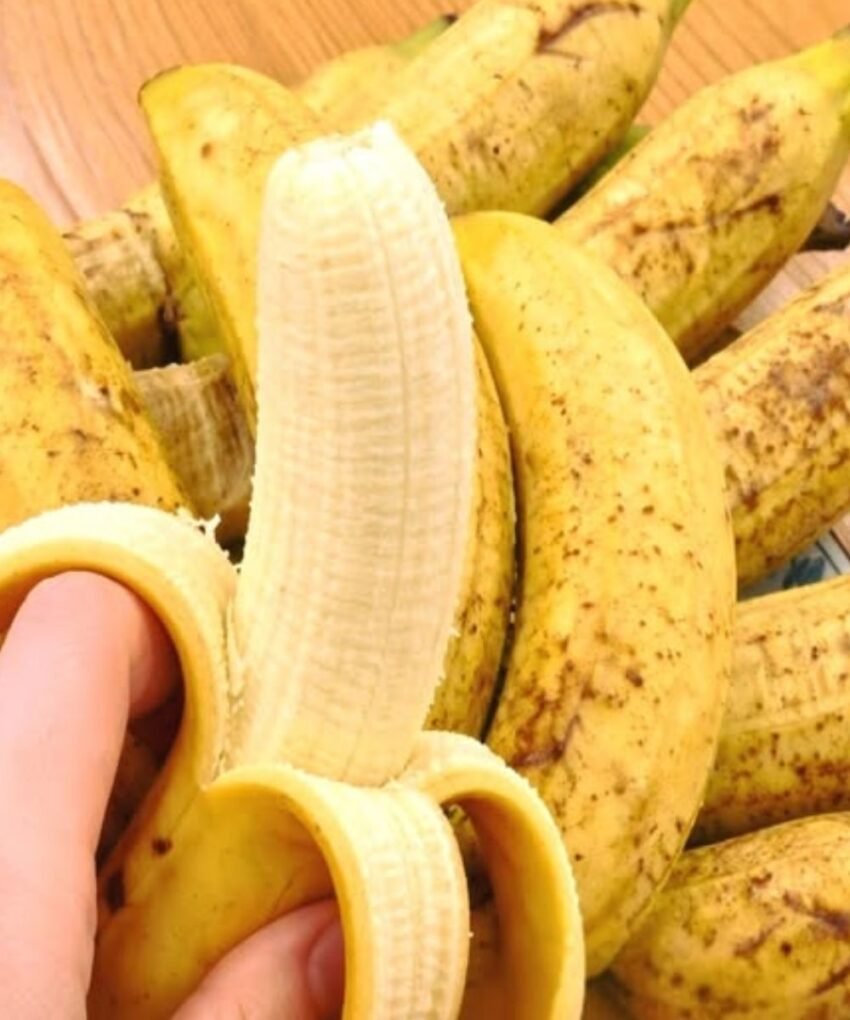
Ah, the humble banana — simple on the outside, full of interesting details when you look closer! Here’s a breakdown:
What is a Banana?
A banana is a long, curved fruit with a soft, sweet, starchy interior and a peel that is usually yellow when ripe. Botanically, it’s a berry from the genus Musa.
Key Nutritional Facts:
- Calories: ~90–110 per medium banana
- Carbohydrates: ~23–27 g (mostly natural sugars and starch)
- Fiber: ~3 g
- Vitamins: High in vitamin B6 and vitamin C
- Minerals: Good source of potassium and manganese
Common Uses:
- Eating fresh – simple and portable snack.
- Baking – in banana bread, muffins, or pancakes.
- Smoothies – adds natural sweetness and creaminess.
- Frozen treats – banana “nice cream” or chocolate-dipped frozen bananas.
- Savory dishes – some cultures use bananas in curries or stews.
Fun Facts:
- Bananas grow in clusters called hands.
- They ripen after harvest, thanks to ethylene gas.
- The banana plant is technically an herb, not a tree.
- There are hundreds of banana varieties; the sweet yellow ones are called Cavendish, which dominate global markets.
Bananas are versatile, nutritious, and naturally sweet—perfect for snacks, desserts, or even breakfast staples.
If you want, I can give a few creative ways to use bananas beyond just eating them raw. Do you want me to do that?
