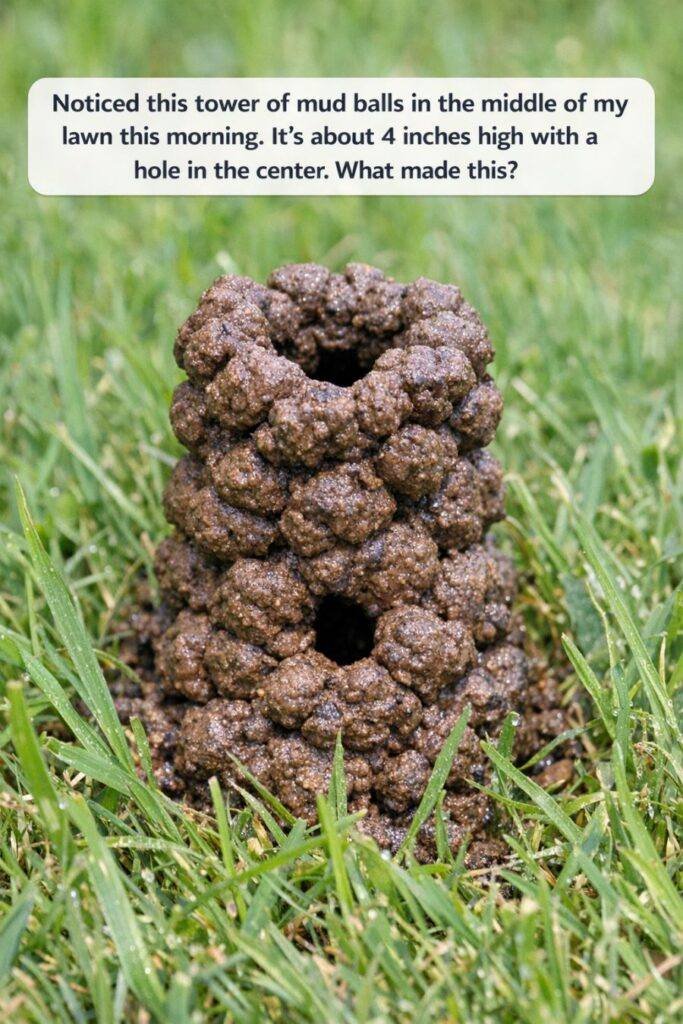
Here’s a detailed overview of the burrowing crayfish:
🦞 Burrowing Crayfish
Burrowing crayfish refers to a group of freshwater crayfish species that are adapted to digging deep burrows in wetland or floodplain environments. They are found in Australia, North America, and parts of Europe, depending on the species.
🌱 Key Features
- Habitat: Moist soils, swamps, riverbanks, and floodplains
- Behavior: Build complex burrows, often with vertical shafts up to 1–2 meters deep
- Diet: Omnivorous – detritus, plant material, small invertebrates
- Size: Usually smaller than commercial crayfish, 5–12 cm body length
- Lifespan: 3–5 years depending on species
🏡 Burrowing & Ecology
- Burrows provide protection from predators and drought.
- Burrows often maintain moisture in dry seasons, creating microhabitats for other organisms.
- Their digging helps soil aeration and nutrient mixing.
🦠 Importance
- Ecologically important for wetland ecosystems.
- Serve as prey for birds, fish, and mammals.
- Burrow structures impact soil and water dynamics.
⚠️ Conservation Notes
- Many burrowing crayfish are sensitive to habitat loss.
- Wetland drainage, urbanization, and pollution threaten their populations.
- Some species are protected or monitored in Australia and the US.
If you want, I can also make a guide to keeping burrowing crayfish in captivity, including their burrow setup, diet, and care.
Do you want me to do that?
