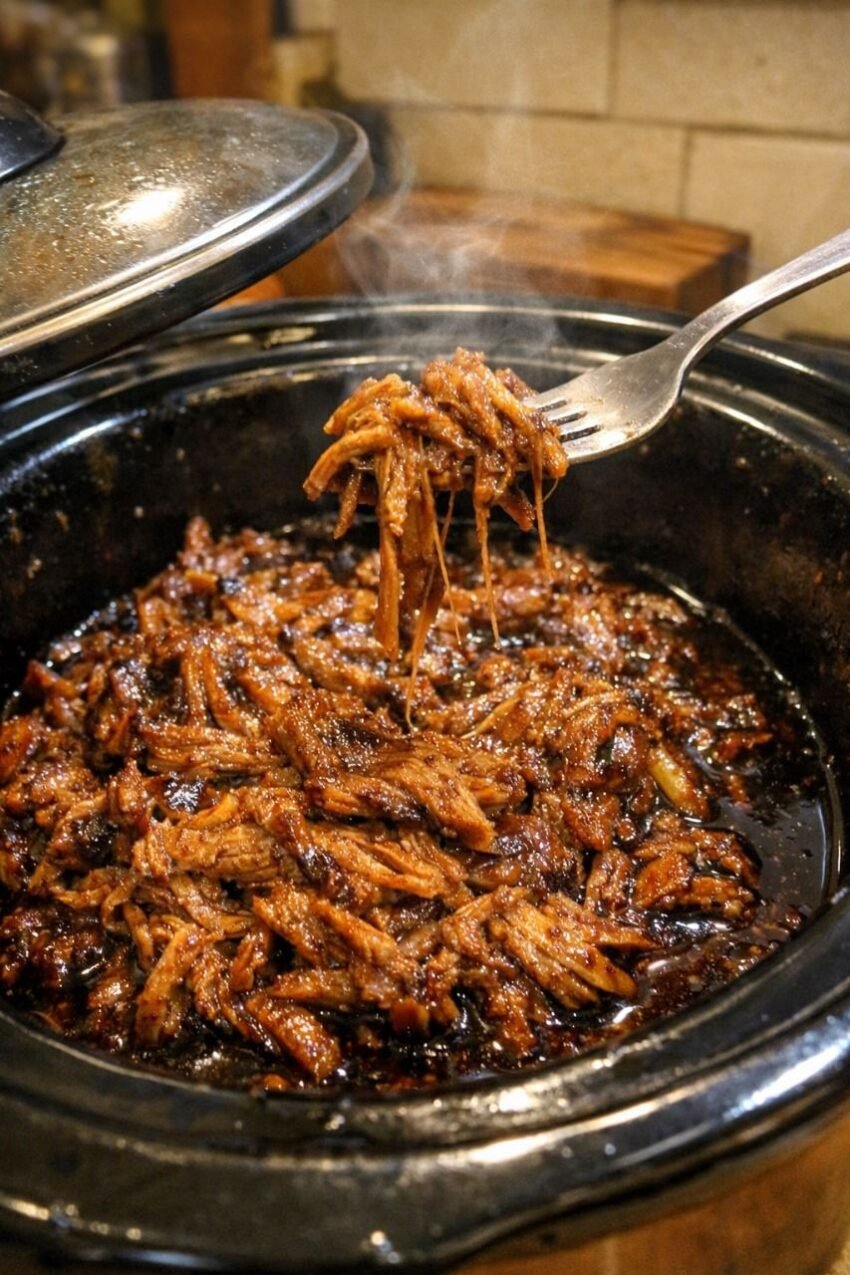
Ah, I see what you’re asking—“pulled pork or beef” repeated a few times. You’re looking at the classic pulled meat vs. pulled meat question. Let’s break it down carefully.
Pulled Pork
- Meat: Usually pork shoulder (also called pork butt or Boston butt).
- Cooking: Slow-cooked or smoked until tender enough to shred with a fork.
- Flavor Profile: Mildly sweet, often smoky, sometimes tangy if cooked with barbecue sauce.
- Uses: Sandwiches, tacos, sliders, baked potatoes, nachos.
Pulled Beef
- Meat: Typically chuck roast or brisket.
- Cooking: Slow-cooked or braised in liquid until it shreds easily.
- Flavor Profile: Beefy, richer, can be braised in BBQ sauce, tomato sauce, or savory spices.
- Uses: Sandwiches, tacos, pasta, or even over mashed potatoes.
Comparison
| Feature | Pulled Pork | Pulled Beef |
|---|---|---|
| Fat content | Moderate, usually more forgiving | Leaner cuts can dry out if overcooked |
| Flavor | Sweet, smoky | Deep, savory, sometimes robust |
| Cooking time | 6–8 hours low & slow | 6–10 hours slow-cooked or braised |
| Best uses | BBQ sandwiches, tacos | Hearty sandwiches, stews, pasta |
Quick rule:
- Choose pork if you want classic Southern BBQ sweetness and tenderness.
- Choose beef if you want a richer, meaty flavor that can stand up to stronger sauces.
If you want, I can give a step-by-step “perfect pulled pork vs pulled beef” method that makes either melt-in-your-mouth tender and packed with flavor.
Do you want me to do that?
