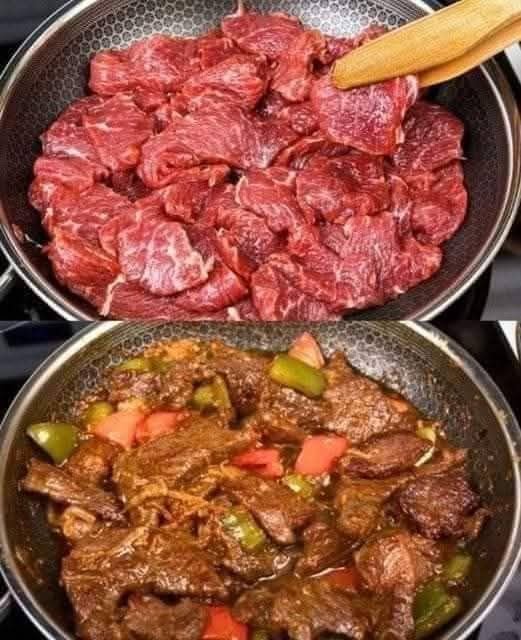
Chinese cuisine is incredibly diverse — it’s not just “one style,” but many regional traditions shaped by geography, climate, and history. Here’s a clear, practical overview 🍜🥢
🇨🇳 The 8 Major Regional Cuisines
1️⃣ Sichuan (Szechuan) – Bold & Spicy
- Famous for numbing heat (Sichuan peppercorn + chili = málà)
- Dishes: Mapo tofu, Kung Pao chicken, Dan dan noodles
- Flavor profile: Spicy, garlicky, complex
2️⃣ Cantonese (Guangdong) – Fresh & Light
- Focus on natural flavors and fresh ingredients
- Dishes: Dim sum, Char siu (BBQ pork), Steamed fish
- Sauces are mild; stir-frying and steaming are common
3️⃣ Shandong – Savory & Seafood-Forward
- Heavy on seafood, soups, and vinegar
- Influential in imperial cuisine
4️⃣ Jiangsu – Elegant & Slightly Sweet
- Refined presentation
- Braising and slow cooking
- Famous dish: Sweet & sour Mandarin fish
5️⃣ Zhejiang – Fresh & Seasonal
- Light, delicate flavors
- Lots of seafood and bamboo shoots
6️⃣ Fujian – Umami & Brothy
- Rich soups and seafood
- Often slightly sweet and sour
7️⃣ Hunan – Spicy but Different from Sichuan
- Hot chilies (no numbing peppercorns)
- Smoked and preserved meats
8️⃣ Anhui – Rustic & Herbal
- Wild herbs, stews, mountain ingredients
🥢 Core Cooking Techniques
- Stir-frying (wok cooking)
- Steaming
- Red-braising (soy-based braise)
- Deep-frying
- Clay pot cooking
- Double-boiled soups
🌶️ Key Flavor Elements
- Soy sauce (light & dark)
- Oyster sauce
- Rice vinegar
- Shaoxing wine
- Ginger & garlic
- Chili oil
- Five-spice powder
- Fermented bean pastes
🍜 Popular Dishes Worldwide
- Fried rice
- Chow mein
- Sweet and sour pork
- Hot and sour soup
- Dumplings (jiaozi)
- Peking duck
If you’d like, I can:
- Share authentic Chinese recipes
- Help you build a Chinese-style dinner menu
- Explain differences between American-Chinese and traditional dishes
- Or focus on one region like Sichuan or Cantonese cuisine
What direction are you most interested in?
