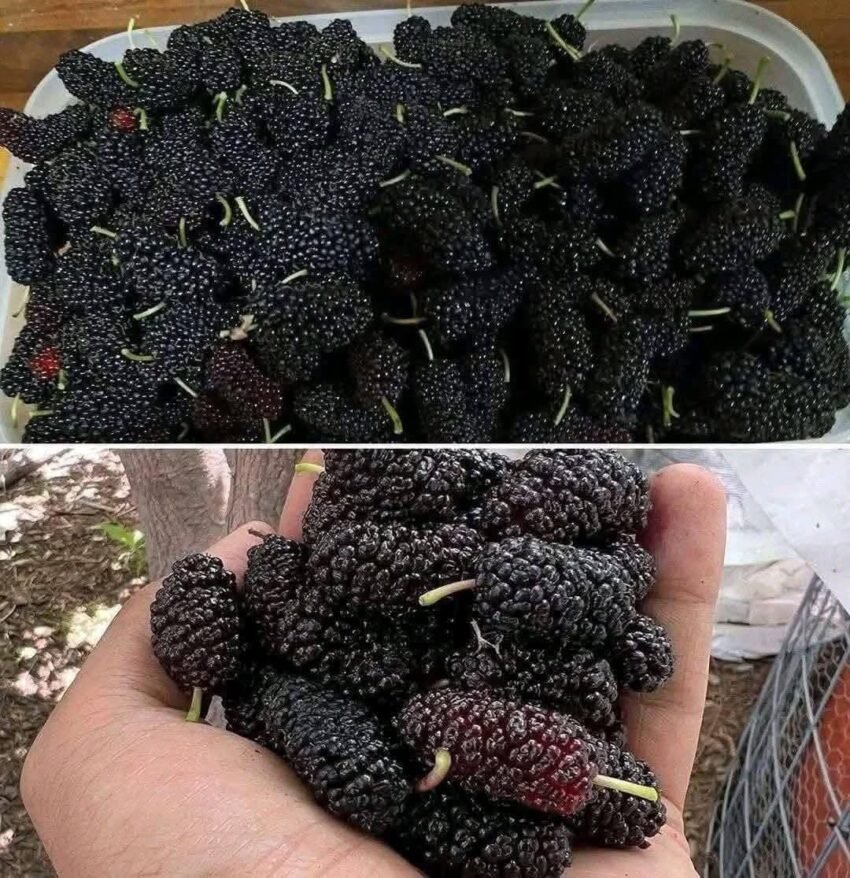
Morus alba, commonly known as white mulberry, is a fast-growing deciduous tree native to China but widely cultivated around the world. It’s valued for its leaves, fruit, and wood, and has both culinary and medicinal uses.
🌿 Key Facts
- Scientific Name: Morus alba
- Common Names: White mulberry, silkworm mulberry
- Family: Moraceae (the mulberry family)
- Height: Typically 30–50 ft (9–15 m)
- Leaves: Heart-shaped, glossy green, 2–8 inches long, used to feed silkworms
- Fruit: Small, sweet, white to pink or purple-black when ripe, edible
- Flowers: Small, greenish, inconspicuous, monoecious (male and female flowers on the same tree)
🪴 Uses
1️⃣ Silkworm Cultivation
- The leaves are the primary food source for silkworms (Bombyx mori) in sericulture.
2️⃣ Culinary
- Fruits: eaten fresh, dried, or used in jams, jellies, pies, and beverages.
- Leaves: can be used in teas or as leafy greens in some cuisines.
3️⃣ Medicinal & Health Benefits
- Traditionally used in Chinese and Ayurvedic medicine.
- Potential benefits:
- Blood sugar regulation
- Antioxidant activity
- Anti-inflammatory properties
- Supports cardiovascular and liver health
4️⃣ Other Uses
- Shade tree, erosion control, and sometimes as forage for livestock.
🌱 Growing Conditions
- Soil: well-drained, tolerant of poor soil
- Sunlight: full sun to partial shade
- Water: moderate; drought-tolerant once established
- Propagation: seeds, cuttings, or grafting
- Can be invasive in some regions due to rapid growth and self-seeding.
If you want, I can also provide a detailed guide on how to grow Morus alba, including harvesting leaves for silkworms or fruits for consumption.
Do you want cultivation info or medicinal uses?
