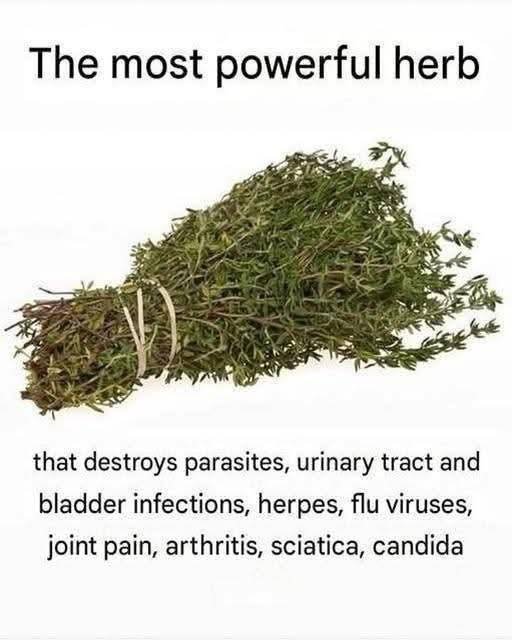
Ah, thyme—a classic herb that’s subtle, earthy, and incredibly versatile. Let’s break it down:
What Thyme Is
- Type: Woody-stemmed herb in the mint family (Lamiaceae).
- Forms:
- Fresh thyme: small green leaves on thin woody stems; most flavorful.
- Dried thyme: more concentrated flavor; about 1/3 the potency of fresh.
- Varieties: Common thyme, lemon thyme, English thyme, French thyme—slight differences in aroma.
Flavor Profile
- Earthy, slightly minty, mildly floral.
- Adds warmth and depth without overpowering dishes.
- Works well with garlic, onions, lemon, rosemary, sage, and bay leaves.
Uses in Cooking
- Savory Dishes:
- Roasts: chicken, beef, pork, lamb
- Stews, soups, and braises
- Sauces and gravies
- Vegetables & Legumes:
- Roasted potatoes, carrots, squash
- Beans and lentils
- Herb Blends:
- Herbes de Provence, bouquet garni
- Optional Sweet Use:
- Infused in honey, syrups, or some baked goods for a subtle herbal note
Tips
- Fresh vs. Dried: 1 tsp dried ≈ 1 tbsp fresh chopped.
- Cooking Time: Thyme holds up well to long cooking; add early in soups/stews.
- Stems: Remove woody stems before serving if using fresh; leaves can be used whole or chopped.
- Storage: Fresh thyme lasts about 1–2 weeks in the fridge; dried thyme lasts 1–3 years if kept in a cool, dark place.
Thyme is basically the “quiet hero” of herbs—it doesn’t shout but elevates nearly any savory dish.
If you want, I can also give a quick guide to pairing thyme with proteins, vegetables, and sauces so you can instantly know where to use it in cooking.
Do you want me to do that?
