Got it! Let’s dive into walnuts—the nut itself, its uses, and benefits.
Walnut (Juglans regia)
Description
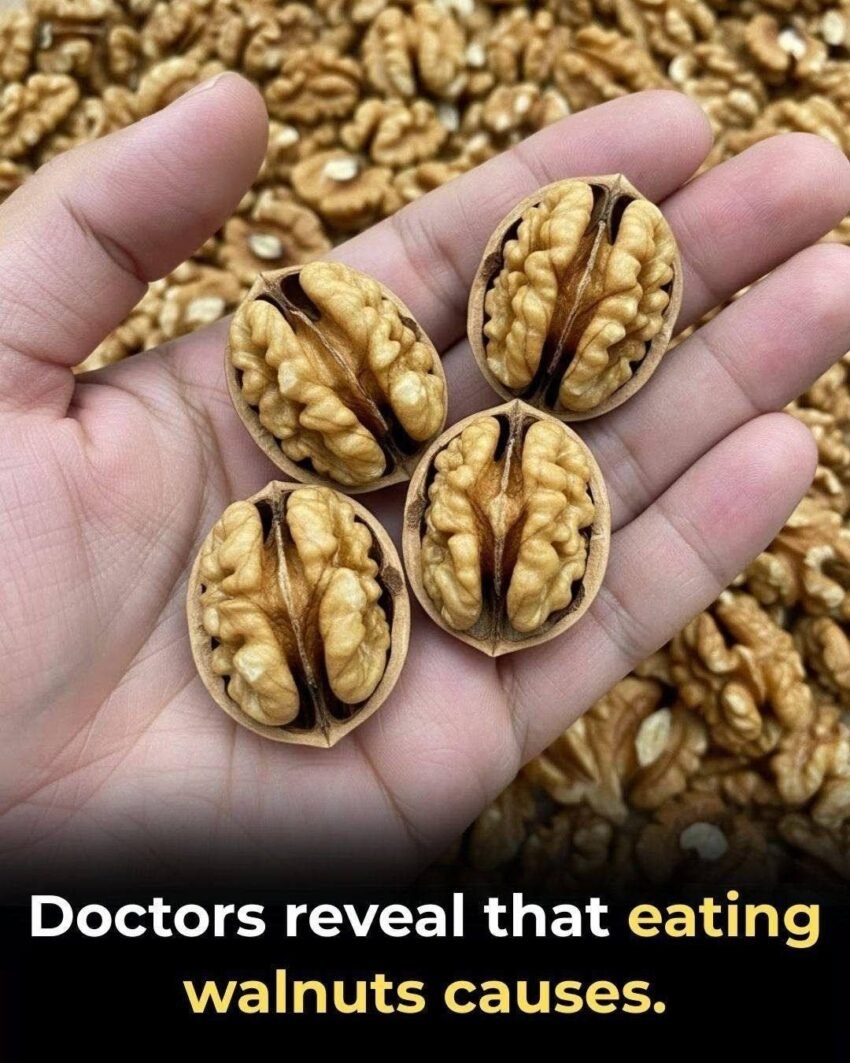
- Walnuts are edible seeds from the walnut tree, commonly called English walnuts or Persian walnuts.
- They have a hard, wrinkled shell and a brain-like kernel.
- Flavor: rich, slightly bitter, and earthy, with a buttery finish.
Nutritional Benefits (per 1 oz / 28 g, about 14 halves)
- Calories: ~185
- Protein: 4 g
- Fat: 18 g (mostly healthy polyunsaturated fats)
- Carbohydrates: 4 g
- Fiber: 2 g
- Rich in omega-3 fatty acids, particularly ALA (alpha-linolenic acid)
- High in antioxidants, vitamin E, magnesium, and manganese
Health Benefits
- Supports heart health: helps lower LDL cholesterol and inflammation.
- Supports brain health: omega-3 fats and polyphenols may improve cognition.
- May aid weight management: despite being calorie-dense, they promote satiety.
- Anti-inflammatory properties and potential cancer-prevention compounds.
Culinary Uses
- Snacking: raw, roasted, or candied.
- Baking: brownies, banana bread, muffins, cookies.
- Salads: chopped walnuts add crunch and flavor.
- Sauces and Pestos: blended into walnut pesto or walnut butter.
- Toppings: yogurt, oatmeal, ice cream, roasted vegetables.
Storage Tips
- Whole walnuts: store in-shell at room temperature up to 6 months.
- Shelled walnuts: store in an airtight container in the fridge for 3–6 months, or freeze for up to a year to preserve freshness.
- Avoid heat and light, which can make them go rancid quickly.
Fun Fact
- Walnuts are one of the few nuts with significant omega-3 content, making them especially heart- and brain-friendly.
If you want, I can give a delicious recipe that features walnuts—like a walnut brownie, candied walnuts, or a walnut-rosemary chicken dish.
Do you want me to do that?
